 YouTube/The Display Guy
We may receive a commission on purchases made from links.
Smart TVs have been mainstream for over a decade now, and in that time, manufacturers have continued to push the boundaries and find new ways to enhance the experience you get with their models. As a result, the TV game is incredibly competitive in 2026, with dozens of brands aiming to top the sales sheet as much as possible. The competing brands all offer something slightly different with their smart TV lineup, whether that be through cutting-edge display tech, immersive lighting, or optimizing the OS itself. Picking the right TV is challenging anyway, but making sure the one you select provides value for money is paramount, especially with how much a lot of them cost nowadays.
While professional reviews are incredibly helpful in your search, looking at how smart TVs from the leading brands perform in the real world is a great indicator for which one to actually buy, too. Luckily, thousands of user reviews are readily available on various outlets as well as independent sites to give us an idea of which brands deliver most on what they promise. Here's a look at 14 of these TV companies, ranked based on consumer satisfaction.
Sharp
 Sharp
Sharp
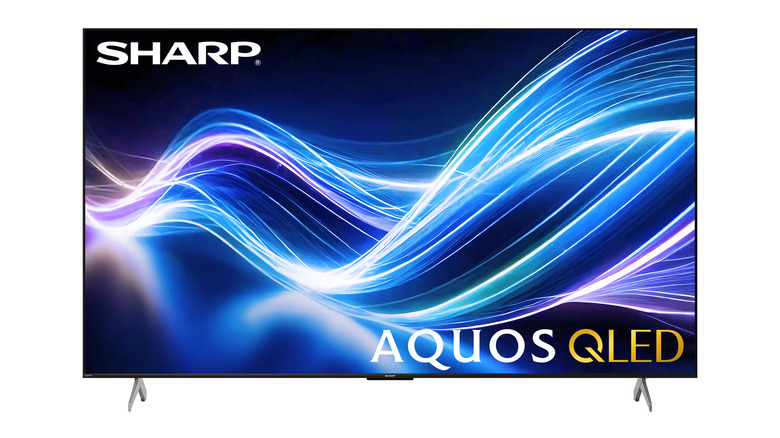
Sharp has been rebuilding its own line branded TVs in the U.S. since 2019, after a four-year absence due to a legal tussle between Hisense and Foxconn. Hisense acquired the license to the Sharp brand in 2015 when the company was struggling, but after coming under the management of Foxconn, its fortunes improved and the rights were retaken after a few years.
Fast forward to 2025, the Japanese brand doesn't have the foothold in the industry of Sony or LG, but it still offers a decent selection of Smart TVs within targeting mid-range budgets. Different models use different operating systems, with Roku, TiVo, and Xumo-equipped models. Despite the variety, owners of the newer Sharp TVs don't seem too impressed with their purchases.
On Consumer Affairs, the brand gets a one out of five-star rating, averaged from 541 reviews. Customer service often stands out as a particularly strong pain point, but for the TVs themselves, the software isn't always the most responsive. If you go for a TiVo model, you won't be able to access the same number of third-party apps compared to other OS, something that has also put off owners of Sharp's products.
Panasonic
 Panasonic
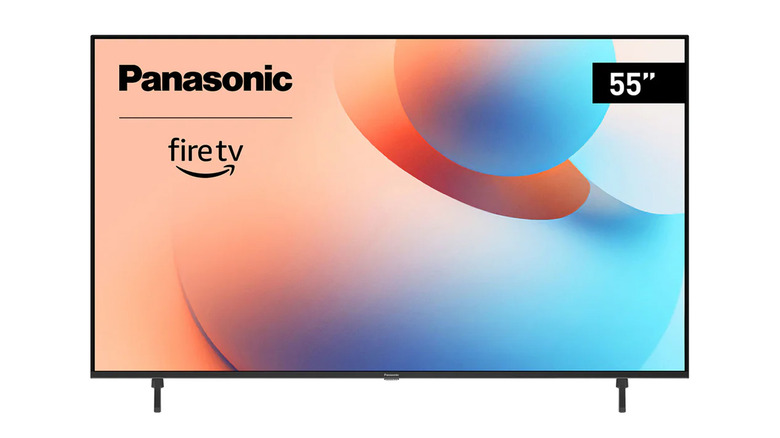
Rejoining the TV market with in-house production even more recently is Panasonic. Once a major brand in the industry with its plasma TVs, the brand struggled to keep up with the competition after the switch to LEDs, ultimately causing it to outsource components from leading competitors for its U.S models instead. In 2024, however, Panasonic started making its own LED panels.
As expected, the brand's got a lot of work to do to get back to the level it was at 20-odd years ago, but there's enough standard LED and OLED models to make it worth considering. Reviews submitted on Amazon aren't bad, but don't match what larger manufacturers receive across the board. Picture quality and sound are often pointed out as strong suits for the newer TVs, especially for the high-end models, getting things like the Technic audio system. Many sit at four out of five stars.
The outlook for Panasonic on Consumer Affairs is worse, though, with another average score of one out of five stars, this time with over 1,000 reviews. Do note that a lot of these are for older models, but overall reliability is a concern with green patches appearing, to panels failing completely and warranting high repair costs.
Toshiba
 Toshiba
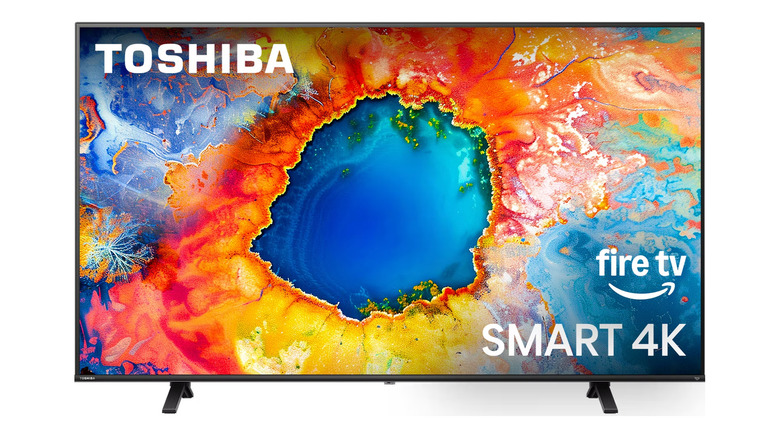
Toshiba still produces consumer tech like TVs, but has shifted more toward industrial business-to-business products to counter the unpredictability of the former market. Still, the Japanese brand hasn't completely left us in its wake, with its range of 4K OLED TVs targeting the more affordable end of the segment. Unlike other brands here, though, Toshiba's current lineup is manufactured by Hisense. The Toshiba models are still well-equipped for the most part, but features like 144 Hz and mini-LEDs are more commonplace with the more expensive Hisense models compared to the 65 Hz refresh rate.
In general the customer reviews on Toshiba TVs at a store like Best Buy seem positive. This contrasts quite significantly with the sentiment on Consumer Affairs, where owners note lines through the screen. Other reviews point out inconsistent picture quality and cracks on the screen, with customer service also not being the most responsive. Overall, Consumer Affairs continues the trend and gives Toshiba a one out of five-star score.
Amazon
 Amazon
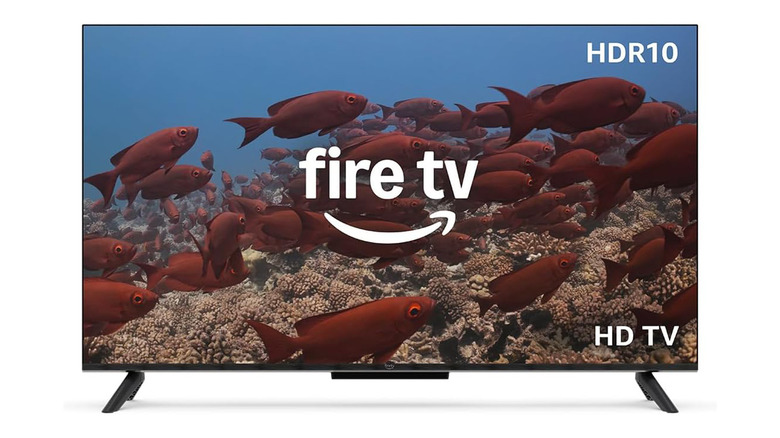
While Amazon is a relative newcomer to producing its own TVs, the Fire TV operating system has been one of the favorites for other major manufacturers for a while now. Today, brands like Toshiba, TCL, and Panasonic still put Fire TV to good use, but in 2021, the parent company of the OS entered the market itself with a few neat features to separate it from the competition.
Another brand aiming at the more affordable end of the segment, Amazon covers plenty of ground with its current lineup, with the 2-Series being the entry-level models, the 4-Series gaining features like 4K ultra-HD quality, and the top-spec Omni Series using QLED displays and Dolby Atmos and Vision IQ. Alexa also comes built into most models for hands-free usage. Despite being newer, there are plenty of reviews for Amazon's in-house models compared to the brands that use its OS, but on average, they don't hold the same ratings as some brands further down the list. In online forums, some owners report the TVs to be slow to respond, with others noting that the microphone sometimes struggles to pick up voices.
Philips
 Philips
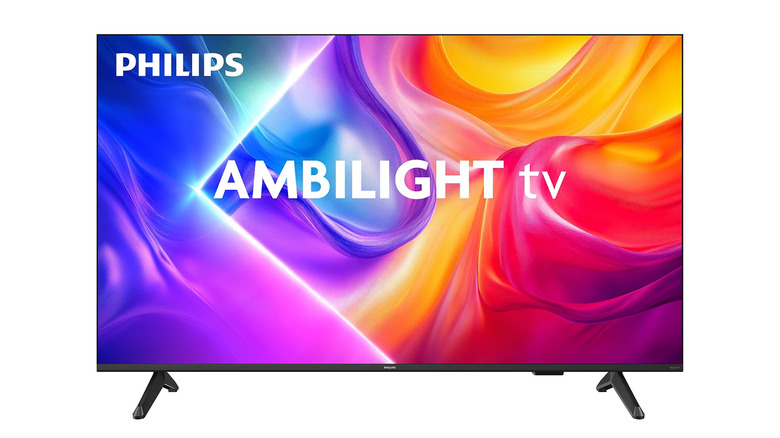
Once among the most influential brands on the market, Philips isn't a name you'll hear often beside the likes of Samsung and LG anymore. Currently produced by China-based Skyworth, the brand doesn't offer the same variety as its competition, though it competes well in the mid-range segment with some standout innovations.
Way back in 2004, Philips introduced the Ambilight technology, and in late 2025, the technology finally became available in the U.S. with a Roku TV-equipped model. By holding the patent for the tech, no other major manufacturer can offer the same thing. These TVs are DLED models, with non-Ambilight smart TVs using either standard LED or QLED, depending on how much you're willing to pay. Still, it's a mid-range brand, so you won't need to spend thousands to get the largest and most advanced models.
While the brand's everlasting technology keeps them in the mix, customer satisfaction can't be noted as a particularly strong suit. Reviews on Amazon are generally lower on average compared to rival brands, with Consumer Affairs only giving it one out of five stars based on 1,189 submissions. Sound quality stands out as a common issue, as it frequent Wi-Fi connectivity problems, which isn't great for a smart TV to say the least.
Roku
 Roku
Roku
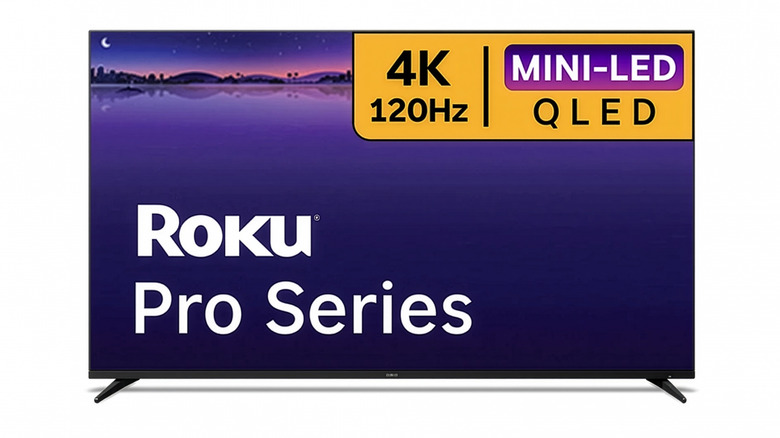
Similar to Amazon, Roku offered its Smart TV operating system to other brands long before it started making its own TVs. Roku TV remains one of the most popular systems in the Smart TV world, with a massive list of apps available, making it a great choice if you use different streaming platforms often. However, in 2023 Roku also launched its own line of TVs, split into four model types. You have the choice between the Select series HD and 4K models, the Plus series, and the top-range Pro series.
Roku TVs are also more expensive than Amazon ones, with the largest of the Pro models approaching $1,000. You do get mini-LED QLED tech, Dolby Atmos, Roku's soundstage audio, and a 120 Hz refresh rate with the Pro TVs to help justify the price tag. Reviews submitted on Amazon sit between 4.4 and 4.6 out of five stars for the relatively limited lineup, with great sound and clear images. Over on TrustPilot, there aren't too many complaints about the picture and sound of their Roku TV, but they face frequent issues with the OS itself. Whether it's slow performance, difficulty navigating and accessing some apps, the brand gets a 1.4 out of five-star rating, averaging from 1,047 at the time of writing.
Insignia
 Best Buy
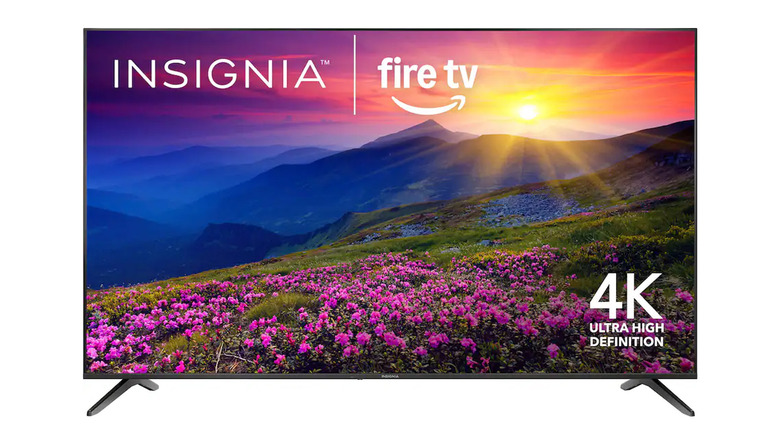
One of the main customers for the Amazon Fire TV OS at the moment is Insignia. The in-house brand of Best Buy, Insignia also outsources to other major manufacturers for its production, subsequently being another brand name offering budget smart TVs. Despite Best Buy owning them, you can pick new models up from outlets like Amazon as well, giving us plenty of data to see what consumers think of the more affordable smart TVs. Regular LED models like the F20 and F40 can be bought for under $100, but if you want features like 4K imaging and ultra-HD, go for the more expensive F50 models.
Despite the price and standard feature differences, Insignia's TVs are often praised for their solid picture quality for their price range, with the Fire TV system helping to keep things smooth on the navigation side. However, reliability concerns are common based on reviews submitted to Consumer Affairs, with some not even lasting two weeks after purchase. Screens going black and sound cutting out simultaneously isn't an uncommon complaint, resulting in a score of 1.1 out of five stars on average.
TCL
 TCL
TCL
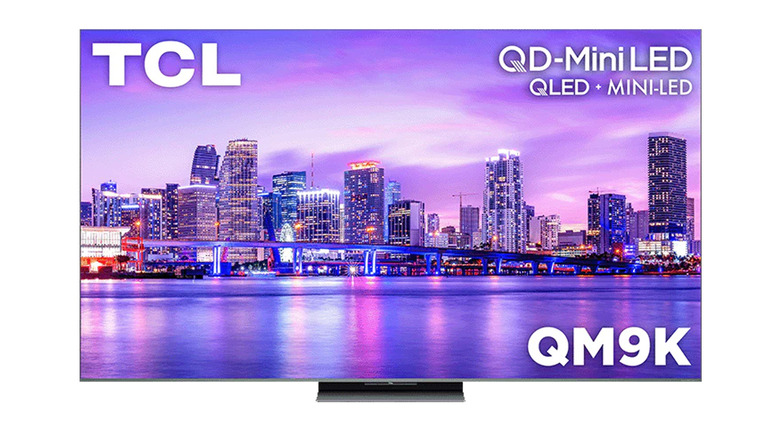
Moving back to the manufacturers, very few names are as prominent as TCL in the U.S. market. Throughout its run, the Chinese company has introduced various cutting-edge ideas to make TVs more and more advanced, including selling the first mass-produced mini-LED screens to enhance just about every aspect of the picture quality. Tech like this pushes top-spec models such as the larger QM7K and QM8K 4K QLED TVs into more expensive territory than brands earlier on this list.
Many of TCL's models understandably use this tech, and there are dozens of different models for you to choose from at various price points. If you don't want to spend upward of $1,000, series like the QM6K and the non-4K S Class models can sit below $500. On store sites such as Best Buy, reviews for the various models show positive signs, with the brand's display tech going a long way toward overall quality. On the American Consumer Satisfaction Index (ASCI), TCL sits at a score of 81, which is one of the best, but behind the following brands on this list.
Vizio
 Vizio
Vizio
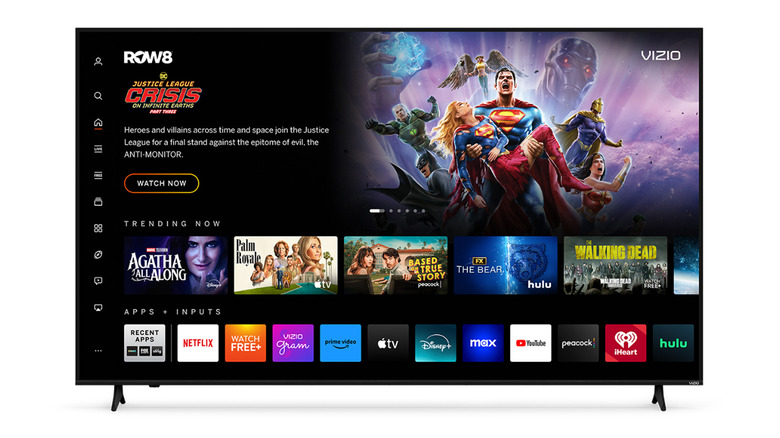
While Best Buy has Insignia and Walmart has Vizio. This budget-oriented brand manages to offer highly competitive features across its range without needing to charge the high prices of high-end brands. Although you won't find the same build quality compared to these rivals, you can get a 70-inch 4K ultra-HD LED model for $398 from Walmart at the time of writing. Though, it's worth noting Vizio relies heavily on ads and data tracking as its primary revenue stream.
Now a core component of Walmart's CTV plan, you can expect to find many more ads during your time with the in-house OS used in the TVs. This is somewhat unsurprisingly a pain point for some buyers, with reviews submitted on sites such as Consumer Affairs and Better Business Bureau also pointing out issues like a blacked-out screen with sound still playing. The ASCI provides a stronger outlook for the brand, though, with a score of 82, above the likes of TCL and LG in this specific study.
Hisense
 Hisense
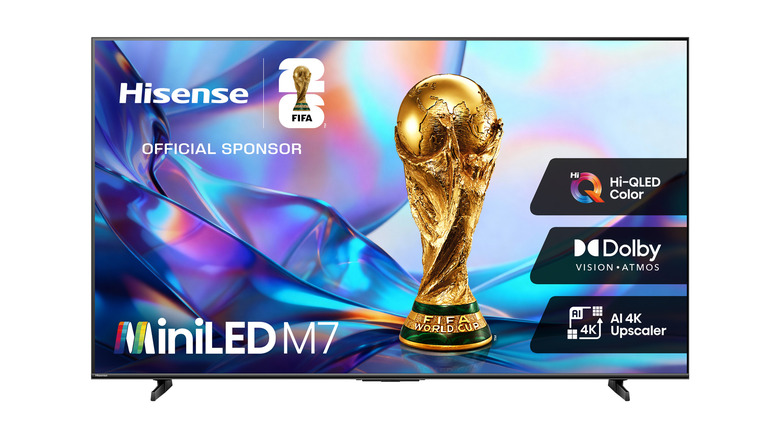
Hisense is another TV manufacturer that does a great job offering a wide range of models at different price points. Models such as the Q7 4K ultra-HD model currently sit at $1,399 (Which is actually very competitive for this spec), whereas smaller 32-inch A4 Series 720p TVs go for $94.99 at Best Buy. The company makes its own hardware but outsources its smart OS, mainly opting for Roku TV, Google TV, and Fire TV.
Many of the currently available models are well-reviewed by owners, the majority of which sit above 4.5 out of five stars on Best Buy. Color contrasts and overall picture quality are praised across the board, with features like the 144 Hz refresh rate on the more expensive models helping to earn the higher price points. In the ACSI's study, Hisense gets a score of 82, which is one of the highest on the market. As for reported issues, freezing can occur, but poor customer service is a key culprit for the lower rankings on Consumer Affairs.
Westinghouse
 Westinghouse
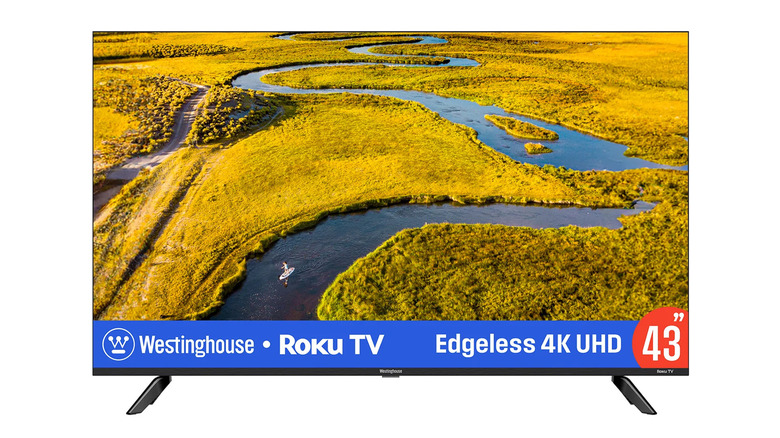
One of the most prominent U.S. TV brands, Westinghouse's products aren't made Stateside, but rather produced in China by its parent company, Tongfang Global. This is the last budget-focused brand on our list, but unlike the ones higher up, it receives some of the best reviews for its more affordable models, often matching the heavy hitters in this area. A lot of the current models utilize Roku's OS, as well as recently using Xumo's platform in a recent collaboration.
It seems to be very difficult for TV brands to get high ratings on Consumer Affairs, but for the mainstream budget brands, Westinghouse manages a score of 2.2 out of five, notably above one out of five-star ratings that so many others get. From outlets such as Best Buy and Amazon, the volume of reviews is lower than some, but the available reviews often praise the overall value-for-money, with a solid picture and sound quality to match, particularly with the 4K models that don't cost too much.
Samsung
 Samsung
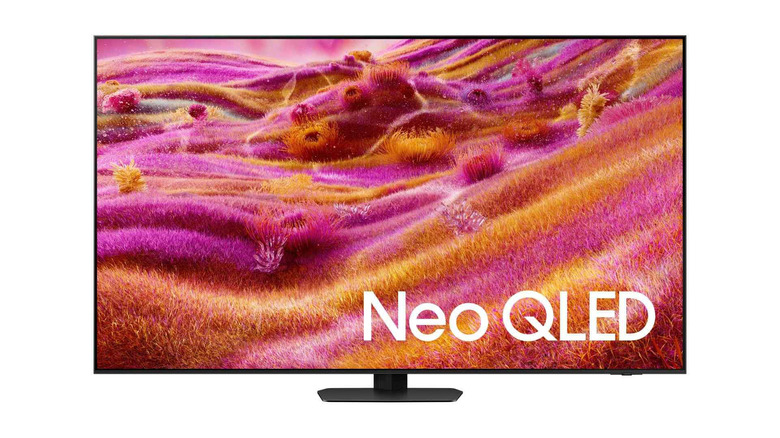
At the top end of the list, it's no surprise to see the big three brands, so to speak, getting the most praise for overall quality. The first of these brands is Samsung, which leads the way when it comes to the much-desired QLED TVs. Being a premium brand, these models tend to be some of the most expensive at their respective sizes, but Samsung does a great job to justify the costs through exceptional quality in the picture and sound. At the moment, Samsung also develops its own OS for smart TVs, called Tizen, which also gets plenty of praise for its efficiency and unique features like the multi-view option.
According to the ACSI, Samsung is the best TV brand on the market, scoring 83 and marginally above the rest of the pack. The majority of user reviews submitted on major outlets such as Best Buy almost always sit in the high fours, whether or not you go for a top-spec Neo QLED model. On Consumer Affairs, though, Samsung doesn't score as well as some rival manufacturers, sitting at 1.3 out of five stars. Owners report having a hard time fixing issues with the expensive models if they do occur, which is often due to build quality shortcomings.
LG
 LG
LG
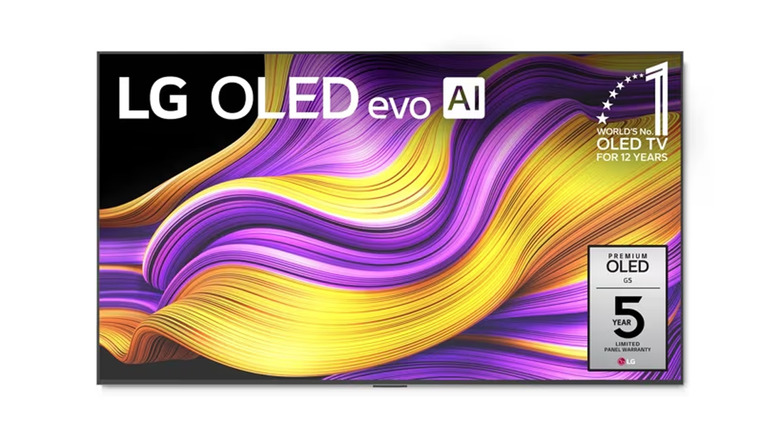
While Samsung leads the way in QLED technology, LG is widely regarded as the go-to manufacturer for OLED TVs. LG offers its OLED screens with a variety of different models, whether that be the C4, C5, G3, or the flagship G5 model that costs a massive $3,496.99 on Amazon right now. While certainly expensive, the G5 Evo gets plenty of great reviews, with owners citing it as the best TV they've ever owned, thanks to the incredible contrast and vibrancy. If you'd rather save some money, LG also offers QNED models, which are essentially the brand's alternative to QLED models from the likes of Samsung.
As per Consumer Affairs, LG gets a slightly better average score of 1.5 out of five stars. The remote style that comes with most LG smart TVs isn't the most popular, with other issues pointing toward slow loading times with the in-house webOS. The ACSI's study has a better outlook for the brand, giving it a score of 81 overall and sitting up there with the best on the market today.
Sony
 Sony
Sony
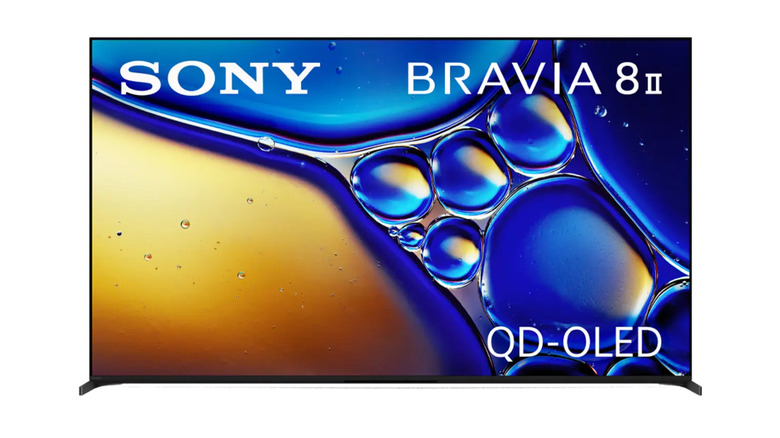
A tech giant in various segments, Sony competes in the same territory as LG and Samsung with is smart TV lineup, finding its own way to stand out with its top-spec models. The XR image processing used in these TVs is considered by many to be one of the best, if not the best, in the industry, working alongside the QD-LED technology for a cinema-like experience. The award-winning Bravia 8 II is where you'll find the best quality, currently sitting at $2,398 on Amazon.
Elsewhere, Sony uses mini-LED screens for more affordable models, allowing it to stay competitive across all levels. With almost 2,000 reviews submitted on Consumer Affairs, Samsung gets a score of 1.6 out of five. Again, not very high, but still one of the best out of the major brands on the market for the money. The outstanding picture quality is still one of the strong points on the site, but high repair costs and reliability concerns have proven troublesome for some owners. On major outlets such as Amazon, the image quality is unsurprisingly mentioned in countless reviews, as is the easy-to-use OS. Sony often goes for Google TV in this area. If you're a PS5 user, Sony also includes features like HDR tone mapping and auto genre picture mode to optimize whichever game you're playing.
Methodology
 Eric Glenn/Shutterstock
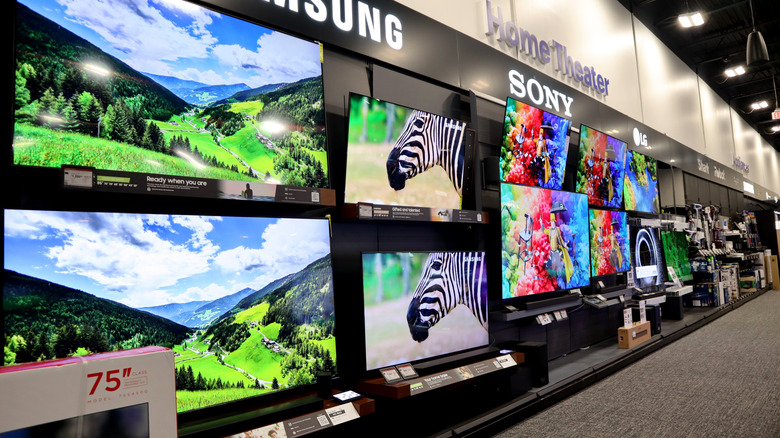
To rank the smart TV brands on this list based on overall customer experience and satisfaction, we started with the ratings provided on Consumer Affairs. We then looked elsewhere to various sites and marketplaces such as Amazon and Best Buy to cross-check what Consumer Affairs' data says, as well as sourcing information from the likes of Trust Pilot and the ASCI. We put together the information provided by owners to rank them based on how consistently positive their experience with the respective brands has been.